Soft washing is a soil-and-substrate decision
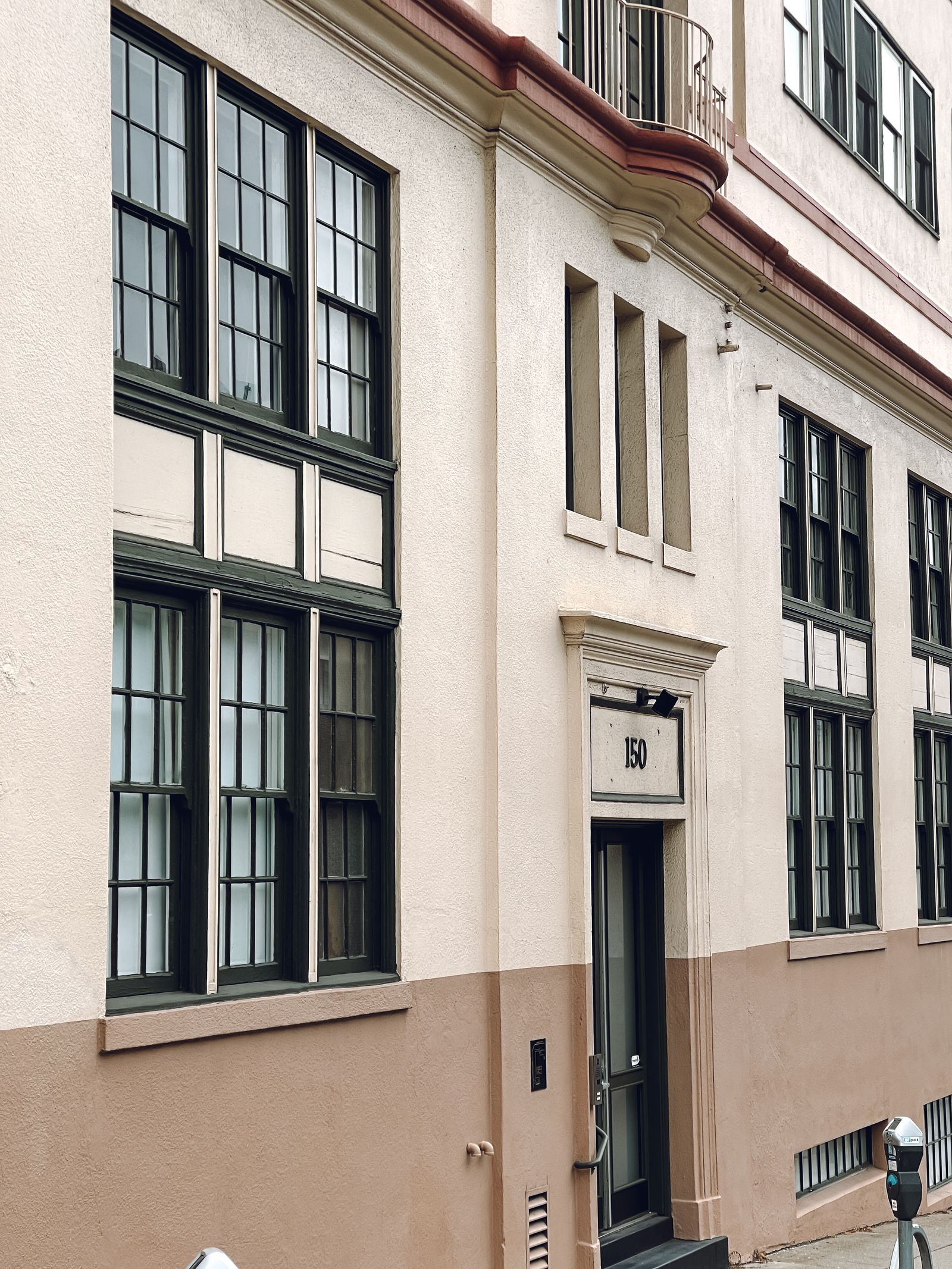
Soft washing generally relies more on compatible solution, dwell time, and controlled rinsing than on impact force. It may fit selected stucco, painted masonry, brick, concrete, EIFS, and other evaluated surfaces affected by algae-like growth, pine pollen, bird residue, loose atmospheric film, or light traffic soil. Lower pressure can reduce mechanical stress, but chemistry still needs control around plants, metals, glazing, coatings, sealants, air intakes, and runoff. Hattiesburg heat and humidity can change dwell and dry-down, so a protected test area is useful when a facade has old paint, repairs, shade, or recurring wet streaks.
The visible condition matters more than the label. Mineral scale, oxidation, embedded exhaust, storm splashback, etched glass, failing coating, and water-related staining may not respond to a routine soft wash. Ask the quote to identify the likely soil, included elevations, test areas, expected dry appearance, and remaining limitations. Cleaning should be separated from roof repair, masonry repair, repainting, sealant replacement, corrosion treatment, glass restoration, and leak diagnosis. That keeps a property owner from paying for a wash while expecting a repair result.
- Soft washing may fit evaluated organic or atmospheric soil on compatible facade materials.
- Chemistry, dwell, rinse, protection, and runoff still require close control.
- Pollen and algae-like growth are not the same as mineral, oxidation, exhaust, or coating failure.
- A test area and dry review are more useful than a method promise made from a distant photo.
Pressure washing belongs on tested durable zones
Pressure washing can be appropriate for selected sound concrete, masonry hardscape, loading aprons, curbs, dumpster pads, or other durable areas when pressure, flow, nozzle, distance, temperature, and operator control match the material. It can remove bonded surface soil that a low-pressure rinse will not move. The fact that a surface is concrete does not make every setting acceptable: cracked slabs, soft joints, coatings, decorative finishes, loose aggregate, nearby glazing, doors, landscaping, and drainage still need review.
Too much force or the wrong angle can drive water into joints, damage mortar, strip paint, etch soft materials, expose aggregate, mark concrete, disturb sealants, or spread soil toward a customer route. A retail center near Turtle Creek may tolerate controlled hardscape work in one parking zone while its storefront panels, signs, doors, and landscaping require lower-pressure or hand methods. An industrial property may need pressure on a concrete dock apron but a different sequence around painted steel, equipment, drains, and employee access.
Pressure washing is also not a shortcut for every dark lower wall. Traffic film, oxidation, oil, mineral deposits, and organic growth need different treatment decisions. A responsible quote names the pressure-wash zones, protects adjacent surfaces, states the expected finish, and identifies conditions that may remain or require specialty work.
Let the Hattiesburg setting change the method by zone
Downtown and Hardy Street properties may prioritize storefront appearance, pedestrian separation, parked vehicles, restaurant patios, deliveries, and quick handback. A lower-pressure facade sequence with hand detailing can protect an active sidewalk, while controlled pressure may be reserved for a sound rear concrete service area. The comparison should explain the operating assumptions instead of presenting one machine setting for the whole property.
A USM-adjacent property may see different pedestrian and visitor patterns around classes, public events, move-in periods, game days, and evening activity. That context does not imply a contract, endorsement, campus access, or any relationship beyond the property owner's actual authorization. It does suggest that timing, public routes, parking, quiet periods, and event coordination should be confirmed. The same principle applies to medical offices, where patient access, accessible routes, ambulance or service lanes, HVAC intakes, and quiet operations may outweigh the fastest production sequence.
Industrial and highway-oriented properties may bring loading movements, trucks, security gates, equipment yards, broad concrete, metal siding, and drainage toward low points. A method comparison should separate hardscape cleaning from facade cleaning and specify spotters, hose routing, barriers, water access, and runoff controls. Occupied-site planning is part of choosing the method because a technically effective wash can still be a poor fit if it blocks a dock, entry, customer aisle, or emergency route.
Compare humidity, pollen, storms, and repeat staining
Hattiesburg's humidity can keep shaded masonry, recessed entries, and lower elevations damp. Pine pollen can settle on horizontal ledges and then move with rain. Storms can add wind-driven debris, splashback, and new streaks. These conditions may make an organic-looking wall a reasonable soft-wash candidate, but they can also expose a gutter overflow, downspout discharge, irrigation pattern, roof-edge defect, planter, failed joint, or condensation path. Ask whether the proposed scope addresses visible soil only or includes any separately priced investigation.
Weather affects both methods. Wind can move spray, mist, hoses, barriers, and loose pollen; rain can dilute chemistry and change runoff; heat can shorten dwell or increase worker exposure; humidity can slow drying and handback. Set pause and reschedule triggers before work begins. A method that is reasonable on a calm, dry morning may need to wait when lightning, gusts, heavy rain, or uncontrolled flow changes the site.
Repeat staining should be documented rather than hidden in a frequency promise. A clean-and-dry review can show whether the remaining mark is embedded soil, mineral, oxidation, coating failure, or a continuing water path. The next action may be a targeted treatment, gutter or drainage repair, facade repair, specialty restoration, or routine maintenance. The comparison is most useful when it leaves room for that evidence.
Compare water, runoff, access, and protection controls
Both methods create a water-management question. Compare the product, soil, expected flow, slope, drains, low points, landscaping, vehicles, doors, air intakes, equipment, public routes, and neighboring property for every bid. A storm drain is not automatic permission to discharge treated water, and a landscaped bed is not an approved disposal location. Depending on the site, controls may include diversion, collection, recovery, reduced flow, filtration, inlet protection, plant protection, disposal, or coordination with the responsible authority.
Ask what happens if the first rinse does not follow the plan. The work should pause when water leaves the controlled area, a barrier fails, an entrance becomes unsafe, or public movement changes. This matters at downtown sidewalks, Hardy Street storefronts, Turtle Creek parking, medical drop-offs, industrial yards, and USM-adjacent routes. Closeout should note completed zones, remaining deposits, visible damage, dry paths, and removed controls so the owner can evaluate the result under normal operations.
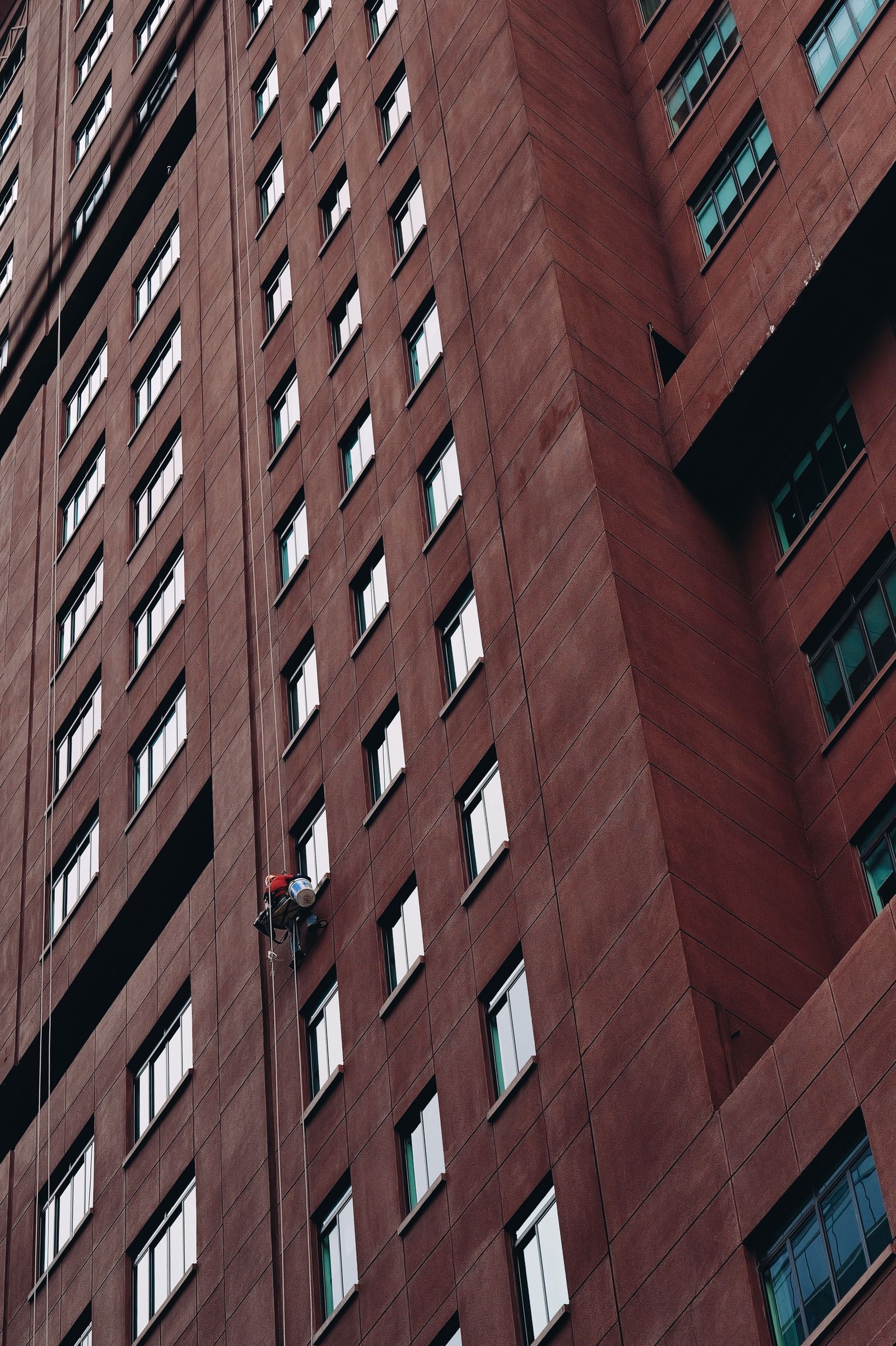
If aerial support is proposed for an upper wall, ask where it is feasible, what wind and public-separation conditions are required, and what grounded method applies when it cannot be used. Commercial drone operations remain subject to applicable Federal Aviation Administration rules. Aerial assistance does not replace material testing, close contact work, controlled runoff, or access planning. Height alone should never decide the method.
Use the comparison to request a defensible Hattiesburg scope
A compatible soft-wash treatment may be a sensible first test for algae-like growth, pine pollen, bird residue, loose film, or atmospheric soil on an evaluated facade. Sound hardscape may instead tolerate controlled pressure. Other zones may need a low-flow rinse, water-fed pole, lift, contact detail, mineral treatment, corrosion referral, or restoration. Because one Hattiesburg property can contain several materials and operating environments, an honest estimate may combine methods by zone.
Ask the contractor to identify materials, visible conditions, method by zone, access equipment, weather limits, occupied-site controls, water and runoff assumptions, expected finish, exclusions, and closeout documentation. Include the address, photos, facade materials, approximate height, priority elevations, desired timing, operating constraints, water access, nearby drains, and visible pollen, algae-like growth, storm staining, or drainage concerns. A clear comparison should help an owner approve the right work, not force the entire building into one category.
For a Hattiesburg quote, call +1 239-351-2897, email contact@dronebuildingcleaners.com, or use the existing contact form. Drone Building Cleaners can help you get in touch and prepare a scope that explains the method, protection, expected result, limitations, and conditions that should be referred to another trade.